
The Invisible Struggle: Living and Thriving with ADHD as a Woman
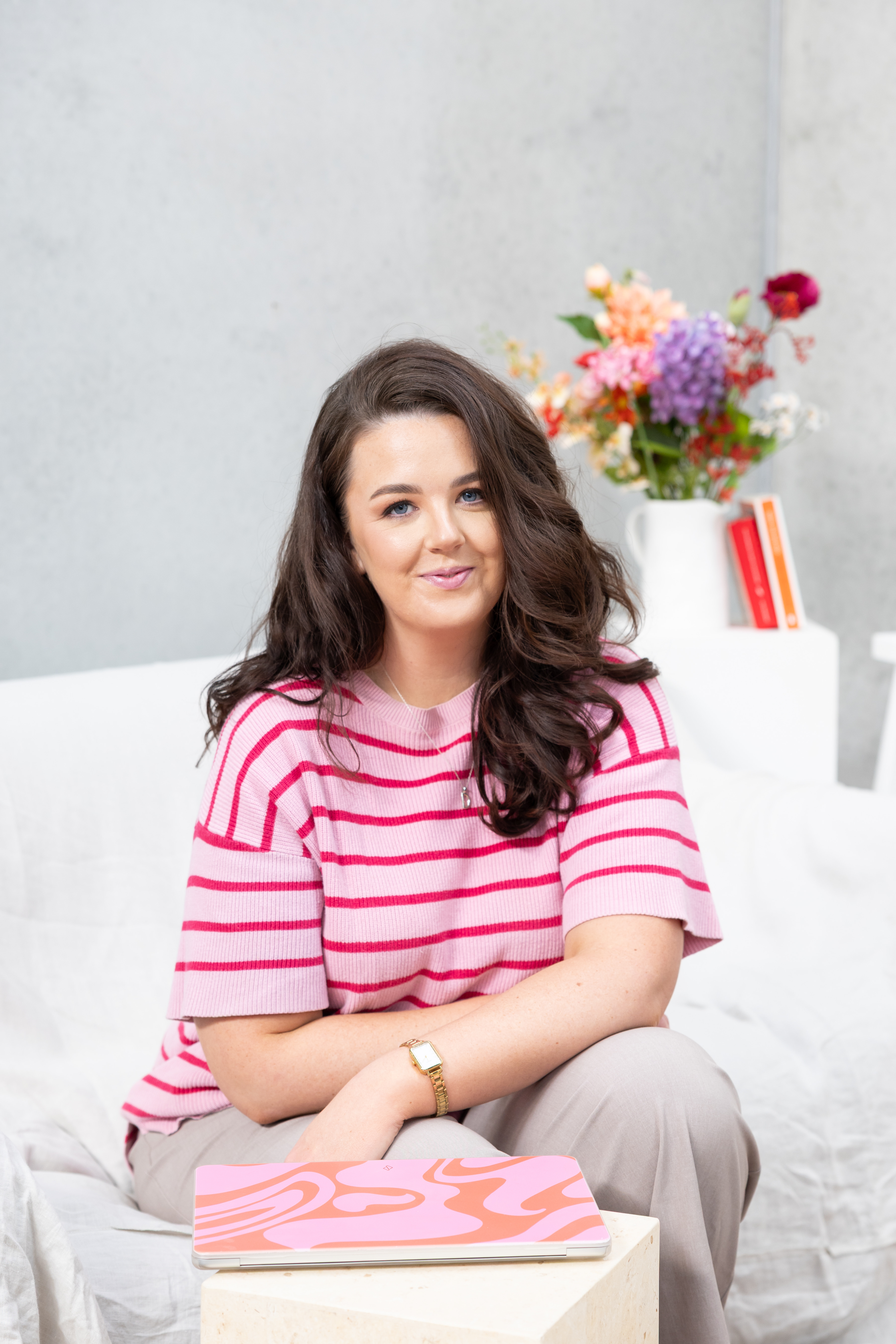
For years I thought everyone else had this manual on “how to do life” and mine just got lost in the mail. Like many other women, I spent years quietly questioning why life just felt so much harder for me than it seemed for others. I’ve always been described by others as hardworking, capable and social, yet I constantly struggle with running late, forgetting the most important details, feeling overwhelmed by life and fighting this invisible struggle within my own brain. I thought I was just a bit forgetful, struggling with the demands of adulthood and that if I just worked harder, focused more and put in more effort that things would improve.
As it turns out, I was living with ADHD and had been my entire life. Growing up, I was always described as fun, adventurous and a bit of a risk-taker but I got through school by holding it all together and by hiding the chaos and racing thoughts in my head. My to-do lists felt pointless and I was the queen of procrastination and still am today. But I didn’t necessarily “fit” the ADHD stereotype that we’re often given, I wasn’t bouncing off the walls or considered disruptive in school. Instead I was quietly exhausted from trying to keep up all the time. It’s a story that I now hear from so many women I work with. We fly under the radar because we’ve learned to mask for so long. To smile. To cope. But over time this can come at a cost.
The turning point for me
My ADHD diagnosis didn’t come at an early age or from one single ‘lightbulb’ moment, it came from curiosity and a drive to figure out why the most basic, simple tasks just felt so much harder for me than everyone else. While working as an mental health Occupational Therapist (OT) with teens and young adults, I began supporting clients to understand their own sensory and executive functioning (e.g. memory, planning, organisation) needs. During one session with a young woman, I found myself nodding along to a screening tool for ADHD thinking to myself, wait doesn’t everyone struggle with this? One of the young people I supported even looked at me and said, “You have ADHD, don’t you Danielle?” At the time I laughed, but it stuck with me and I thought to myself, wait do I? After months of researching, listening to the lived experience of other ADHDers and completing some screening tools on myself, I decided it was time to reach out and explore an assessment with a professional. The assessment was comprehensive and included lots of questionnaires, screeners, conversations and evidence of ADHD traits in childhood through school reports. The whole process was lengthy and costly but I finally had an answer, ADHD. The relief was enormous. But it also brought up feelings of grief, for the younger me who tried so hard to keep up, not realising her brain was simply just wired differently.
Learning to work with your brain
Attention Deficit Hyperactivity Disorder (ADHD) is a neurodevelopmental condition linked to differences in how the brain’s dopamine system functions particularly in how dopamine is produced, released and received at the receptor level (Volkow et al., 2009). Dopamine plays a key role in motivation, reward, attention and the ability to start and sustain tasks, these are all core parts of our executive functioning. Research shows that ADHD is associated with differences in dopamine activity in key brain regions involved in motivation, attention, emotional regulation and executive functioning skills (Volkow et al., 2009; Faraone & Larsson, 2019). This means it can take more effort for the ADHD brain to feel motivated, prioritise or get started, especially with tasks that aren’t interesting or urgent. These dopamine differences don’t mean a lack of willpower or a deficit, they reflect a brain wired to seek stimulation, novelty and immediate feedback or quick rewards often referred to as a “dopamine hit”. This helps explain why women with ADHD often experience time blindness, overwhelm, difficulty initiating tasks and big waves of emotions.
Here’s what’s helped me most with learning to work with my brain:
● Externalising memory - If it’s not written down or in my calendar, it literally doesn’t exist.
● Creating realistic systems - The simpler the better. I find if there is too much structure and not enough novelty input in my routines, I’m less likely to do the things I need to do.
● Understanding my own sensory needs - I now understand that I function better in low lighting, noise-free environments and when I can move, stand and have frequent breaks across the day.
● Scheduling rest - Not as a “reward”, but as a requirement. Remember that you can’t pour from an empty cup!
● Self-compassion over shame - This is the biggest one for me. My brain isn’t broken, it just works differently and that’s okay.
ADHD in Women - Why it’s often missed
ADHD in women is under-diagnosed or often overlooked, because ADHD traits can present differently for women than males, which is what the research has focused on for many years. In a recent 2025 Australian study of women with ADHD, all participants reported receiving their diagnosis as adults, with the average age of diagnosis around 41 years and over 90% had been diagnosed within the past five years. This highlights just how common a late diagnosis of ADHD is for women, often after decades of unmet needs and misunderstanding (Witteveen & O’Hara, 2025).
Common ADHD traits in women include:
● Overthinking - often mistaken for anxiety, racing thoughts and difficulty "shutting off”.
● Emotional sensitivity - feeling emotions intensely and feeling overly sensitive to rejection.
● Difficulty starting tasks (task initiation) - needing a deadline or waiting for that burst of energy to get started.
● Chronic overwhelm - from constantly juggling invisible tasks and expectations, constantly feeling like you’re chasing your tail.
● Masking and people-pleasing - putting the needs of others first over your own.
● Hyperfocusing on interests - getting lost or fixated on a certain interest for hours.
● Time blindness - trouble estimating how long things will take.
● Memory struggles - forgetting appointments, misplacing items or losing track of conversations.
● Being labelled by others as “sensitive”, “too much”, “disorganised” or “forgetful”.
Women mask these traits so well that by adulthood, many of us are exhausted. If this sounds familiar, remember you’re not alone and you’re not failing. You’re functioning in a world that wasn’t designed with your brain in mind.
For women exploring ADHD. If you’re starting to wonder whether ADHD might be part of your story, here’s some ideas of where to begin:
1. Start with self-reflection
Notice recurring patterns or struggles you might experience such as chronic overwhelm, unfinished projects, time blindness, emotional ups and downs, or an ongoing sense of “I really should be coping better than this.” Keep a small journal or use your notes app to jot down examples.
2. Learn more about ADHD in women
Many online resources are now written for women, not just for children or men. A few great starting points include: Websites:
Podcasts:
● Women & ADHD by Katy Weber
● It's my ADHD - a miniseries with Steph Claire Smith
● MissUnderstood: The ADHD in Women Channel
Books:
● The Year I Met My Brain by Matilda Boseley
● The ADHD Brain Buddy by Matilda Boseley
● Unmasked The Ultimate Guide to ADHD, Autism and Neurodivergence
● Your Brain's Not Broken Workbook by Rosier Tamara, Phd
3. Talk to your GP or a mental health professional
You can discuss with your GP about a referral for an ADHD assessment. They may refer you to a psychologist or psychiatrist for further assessment. There is likely an out of pocket cost and wait lists.
4. Connect with a supportive community
There is immense power in hearing from others who are going through a similar experience. You may be fortunate enough to have close friendships who identify as neurodivergent or consider looking for neurodivergent women’s groups online or locally.
5. Seek practical support early
A diagnosis is valuable for many, but support doesn’t have to wait for this. Many people self-identify as an ADHDer and for whatever reason it is, may choose not to go down the path of confirming a diagnosis with a health professional.
How OT Can Help
At Mindspace OT, we work with neurodivergent teens and young adults, particularly women and young people navigating ADHD and other mental health challenges. We focus on supporting:
● Executive functioning skills and building practical systems and routines
● Time and energy management (without the burnout)
● Sensory and emotional regulation in all environments
● Mindful approaches to work-life balance
● Redefining success and self-worth beyond “doing it all”
If you’re wanting to create systems that work with your brain, not against it, you can find out more at www.mindspaceot.com.au or connect with me on Instagram @mindspaceot or Facebook @Mindspace-OT where I often share helpful tips and ADHD life hacks with women in mind. _____________________________________________________________________
Danielle Walker (she/her) is a mental health Occupational Therapist and founder of Mindspace OT, supporting neurodivergent teens and adults to live in alignment with their unique strengths and values. Danielle is passionate about helping women understand how their brain works, learn self-compassion and build a life that makes sense for them.

References:
● Volkow, N. D., Wang, G. J., Kollins, S. H., et al. (2009). Evaluating dopamine reward pathway in ADHD: Clinical implications. JAMA, 302(10), 1084–1091.
● Faraone, S. V., & Larsson, H. (2019). Genetics of attention deficit hyperactivity disorder. Molecular Psychiatry, 24, 562–575.
● Arnsten, A. F. T. (2009). Toward a new understanding of attention-deficit hyperactivity disorder pathophysiology. CNS Drugs, 23(1), 33–41.
● Witteveen, K. & O’Hara, D. (2025). Mentalisation, Self-Compassion, and the Psychosocial Impact of ADHD in Adult Women. Psychotherapy and Counselling Journal of Australia, 13(2).


Comments